Compliance Assessment of Emission Monitoring Instruments
Technical evaluation and selection of a multigas analyser for Bilbao’s Waste-to-Energy plant.
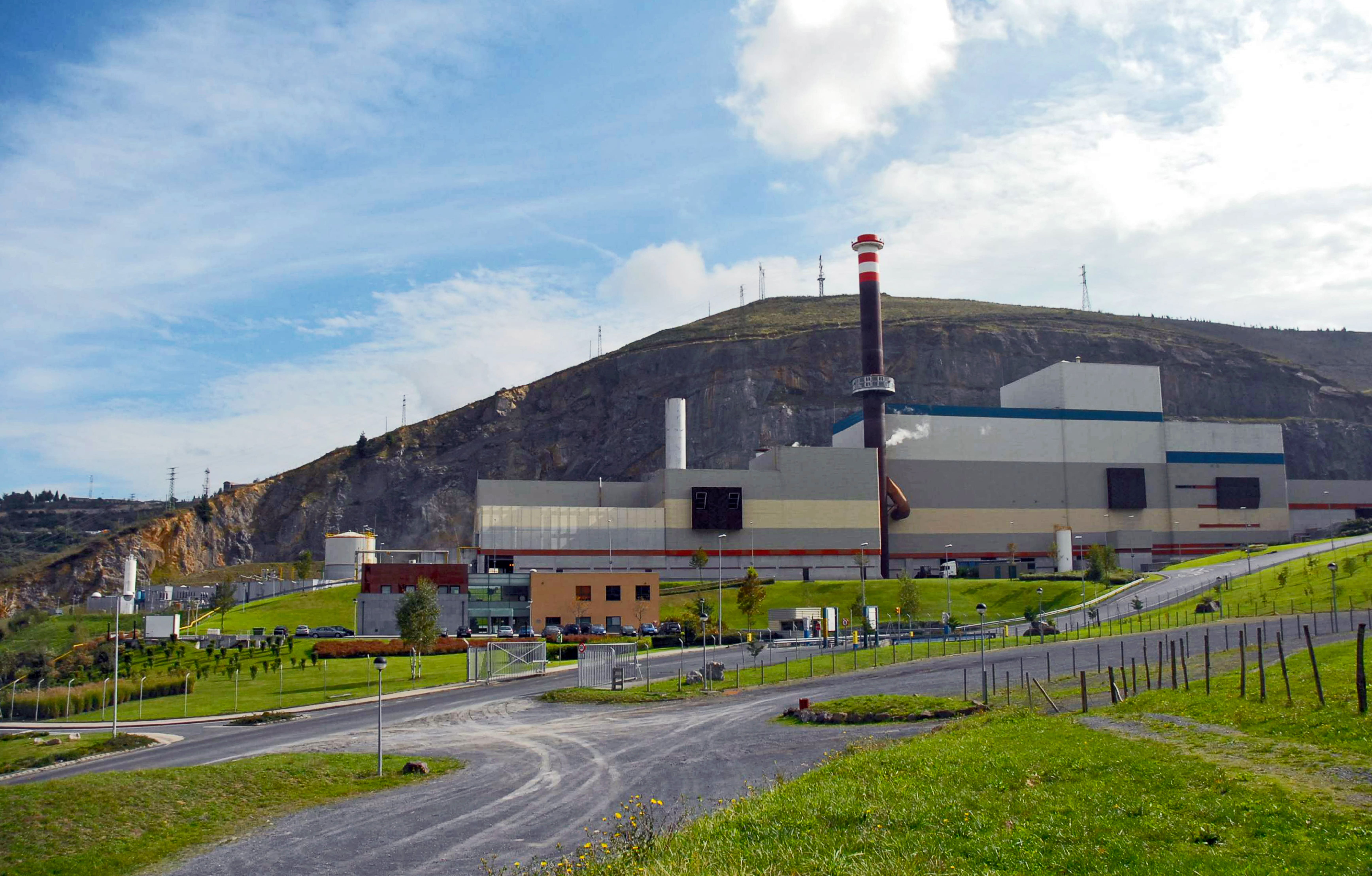
Overview
Seeds collaborated with Bilbao’s waste-to-energy (WtE) plant to support the selection of a new multigas analyser for stack emissions monitoring. The objective was to ensure compliance with the new BAT Conclusions defined in the Waste Incineration (WI) BREF (2019) and the related BAT-AELs, thereby enabling the plant to maintain a valid environmental permit.
Client Needs
The client required a technical market assessment to support strategic decision-making related to regulatory compliance. Specifically, the study aimed to:
- Assess the suitability of the current multi-gas analyser for long-term compliance in the event of a BREF review and more stringent BAT-AELs.
- Identify and assess alternative emission monitoring instruments available on the market.
Our Approach
The study was structured as follows:
- Detection of relevant BATs: analysis of the WI BREF BATs and associated BAT-AELs applicable to the plant.
- Identification of available technologies: research on existing technologies for continuous air emissions monitoring.
- Preliminary selection of instruments: identification of a set of instruments compliant with QAL1 requirements (with TUV or MCERTS certifications) and equipped with the previously identified technologies.
- Consultation with suppliers and industry experts: targeted interviews to define the key features the instrument must possess.
- Definition of comparison criteria: development of an evaluation matrix to enable a structured comparison of the selected instruments.
- Final evaluation and short-list: comparative assessment of the devices, resulting in the identification of six instruments compatible with the plant’s operational requirements and its geographical location.
Results
The analysis led to the preparation of a detailed report documenting each phase of the selection process, including the results of monitoring activities carried out in 2023 and 2024 to assess the performance and suitability of the instrument currently in use. The report also includes comparative tables of the main emission monitoring technologies, a comparison of the uncertainties associated with the different instruments, and an evaluation matrix used for a structured and objective comparison.
Overall, the report provides plant operators with a solid and transparent basis for making informed decisions regarding the replacement of the multigas analyser.


